
Death of a Double Agent
One of the best double agents in US Army history died under mysterious circumstances in a Maryland hotel room in 1976

On April 13th, 1976, Chief Warrant Officer 3 Ralph Sigler was found dead in room 326 of the Holiday Inn in Waterloo, MD just outside of Fort Meade. He was lying face down on the carpet, in front of a chair he’d apparently been sitting in.
Electrical cords torn from the room’s lamps were split and wrapped around each arm at the elbow and still plugged into an outlet. The wires were still live and Ralph’s elbows were still crackling and burning when the door to his room was opened. A crushed plastic water cup was in his left hand, from which he presumably poured water onto the electrical contacts wrapped around his arms.
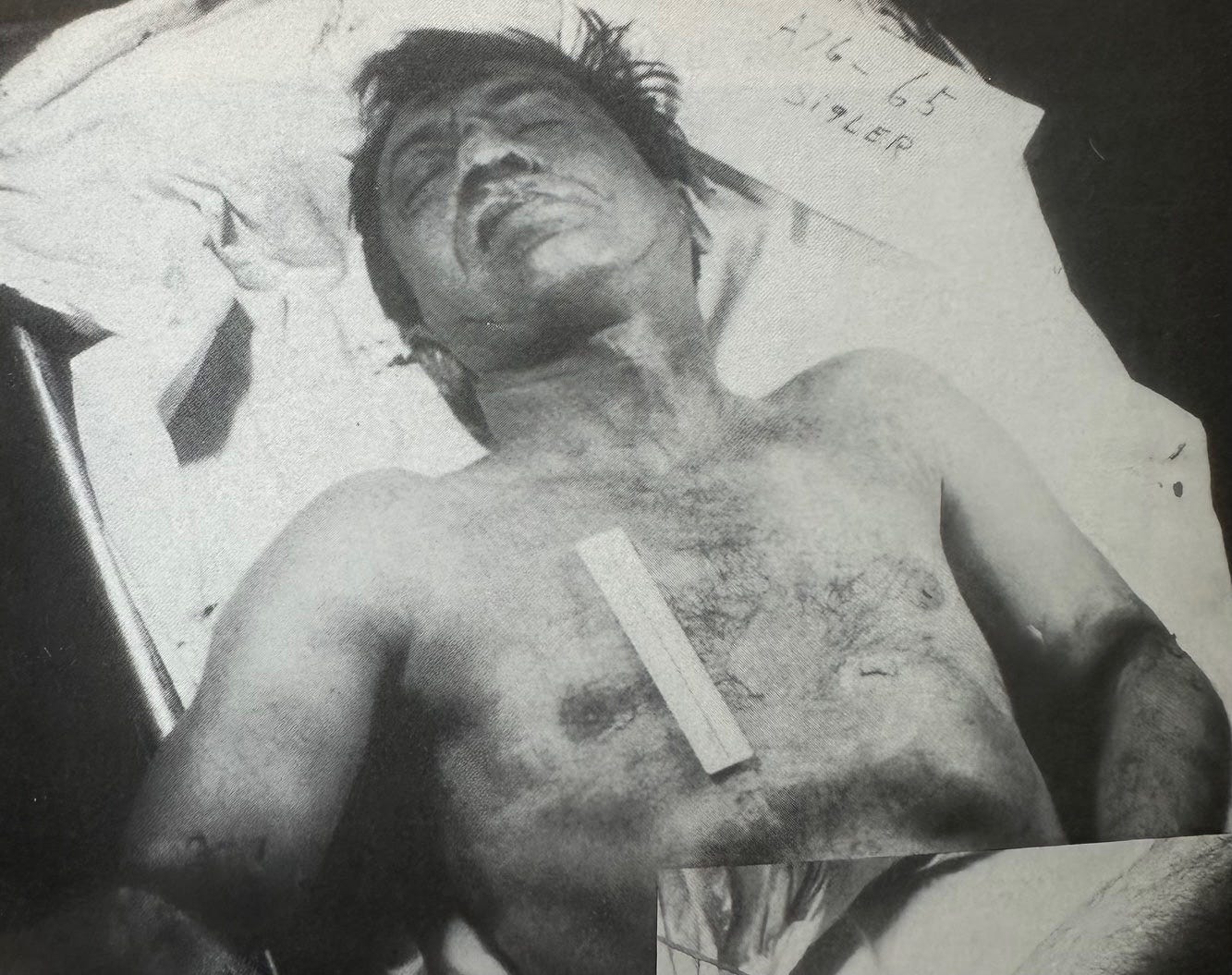
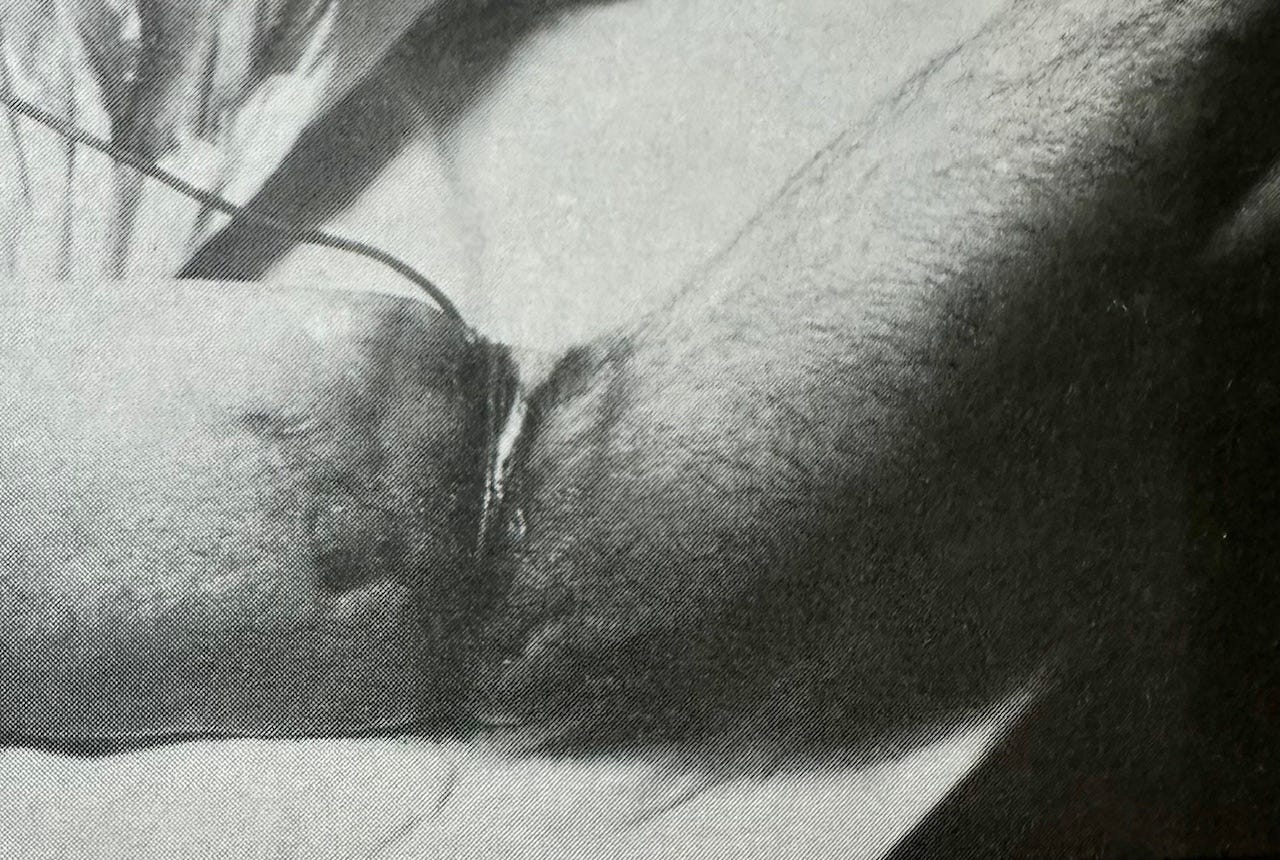
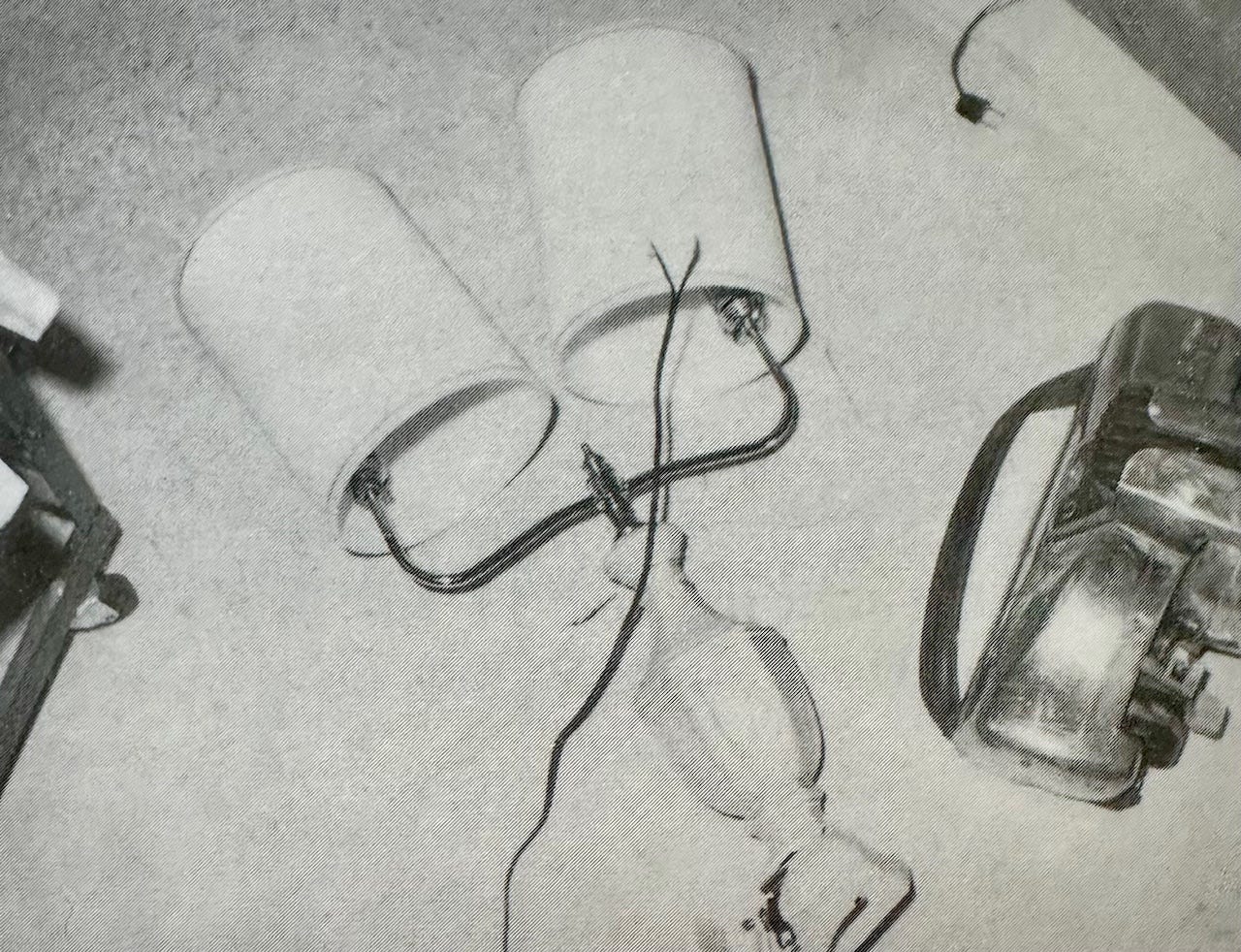
Both the door’s deadbolt and the window had been locked from the inside when he was discovered. A side door connecting to the next room was also deadbolted, and the chair Sigler used was blocking it as well. The US Army and Maryland State Police ruled it a suicide, albeit a very bizarre one.
Origins of a Double Agent
Sigler was born in Hertnik, Czechoslovakia in 1928. He was originally named Rudolph Ciglar and immigrated to the United States in his youth with his father and sister following his parents’ separation. His mother continued to reside behind the Iron Curtain in Czechoslovakia. Ralph, his father, and his sister survived through the Great Depression by raising hogs, and Ralph barely had time for his studies as the farm kept him so busy. He dropped out of school as soon as he was old enough to enlist in the US Army in 1947.
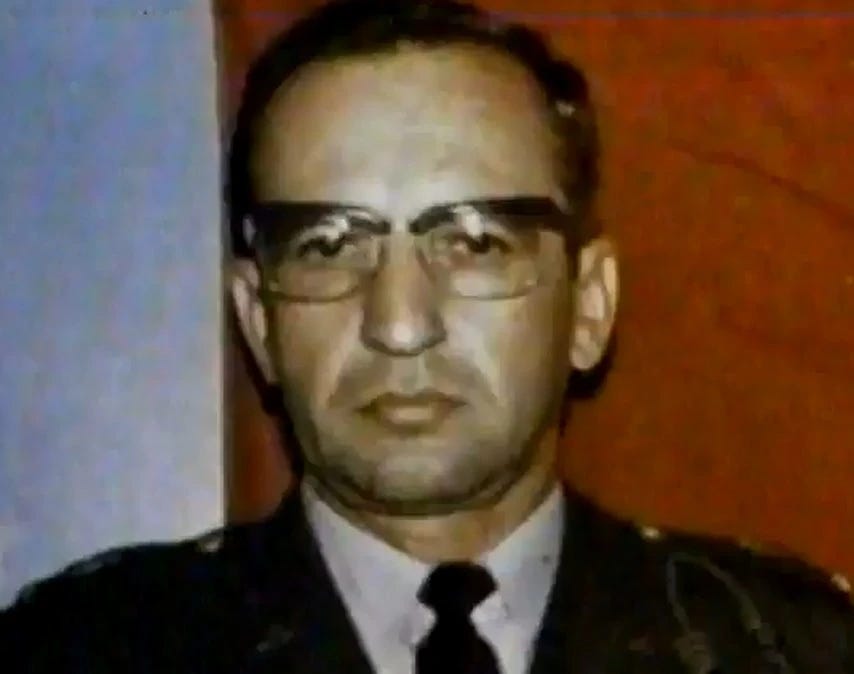
Years later when Ralph finally had a chance to see his mother again, she’d taken up with a Soviet soldier who was stationed in Czechoslovakia. That was the end of his personal relationship with her.
In 1955, while stationed in Stuttgart, West Germany, he met and married Ilse Oehler. They had one daughter together, named Karin Sigler. He also gained his US citizenship while in the service and legally changed his name from Rudolph Ciglar to Ralph Sigler immediately afterwards.
At around the 20-year mark of his Army career, his Czech origins combined with his work as an electronics expert made him an attractive target for the Soviet KGB, as well as an attractive asset for the US Army and FBI. Sigler was fluent in Czech, German, and English, with some Russian as well. He was also willing to take calculated risks, was a fast learner, and had an excellent memory for details – all critical skills for a spy. In 1966, a computer search of all US Army personnel records identified Sigler as a potential candidate for double agent operations against the Soviet Bloc, along with 34 other soldiers. After additional checks, Sigler stood out as the best candidate of all.
Sigler was approached at home by an FBI agent and two Army counterintelligence agents assigned to the Special Operations Division of
the US Army Intelligence Agency (USAINTA). They asked him to volunteer to work for Soviet intelligence, to which he readily agreed. The operation would be run jointly by the FBI and Army, which would prove to be a problem several years down the road.
Keep reading with a 7-day free trial
Subscribe to Spycraft 101 to keep reading this post and get 7 days of free access to the full post archives.